The Japanese word for menopause is kōnenki (更年期), and the linguistic and cultural nuances behind it are quite beautiful and distinct from many Western
The Japanese word for menopause is kōnenki (更年期), and the linguistic and cultural nuances behind it are quite beautiful and distinct from many Western perspectives.
The Meaning of Kōnenki
The term is composed of three kanji characters that provide a literal roadmap of the transition:
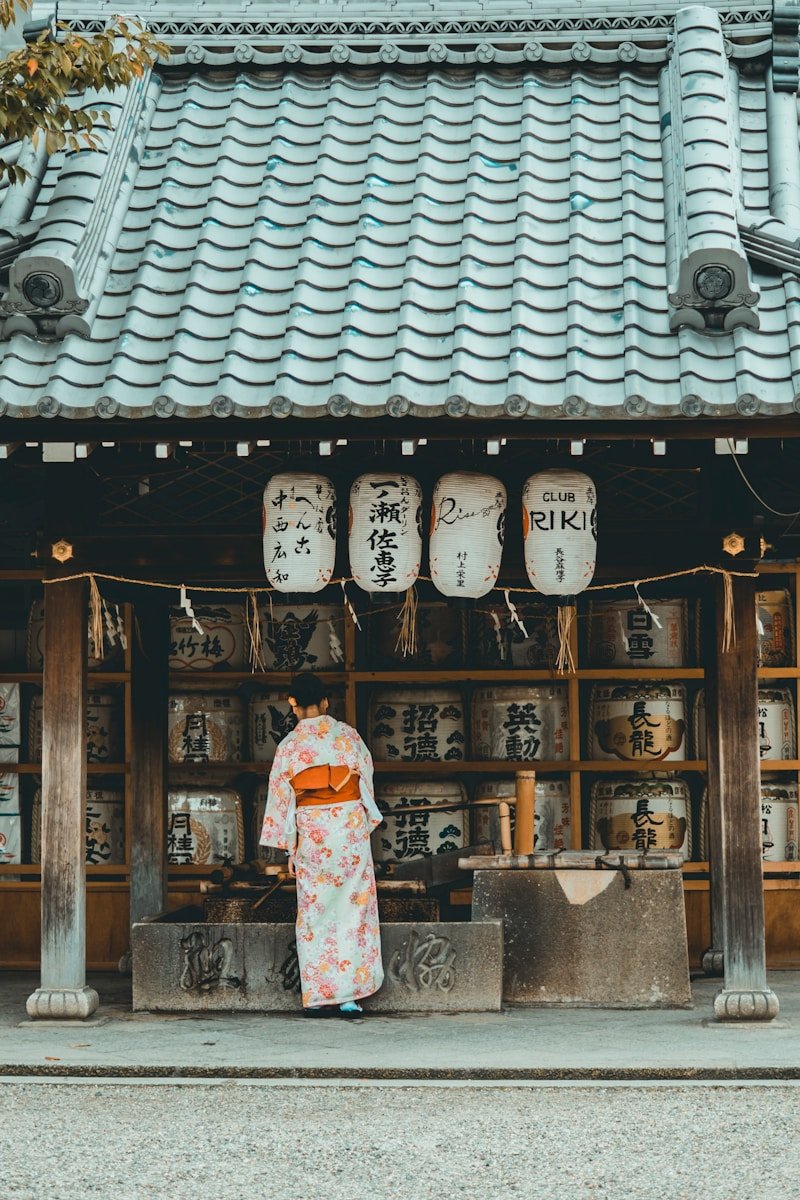
Photo by Redd Francisco
- Kō (更): To renew, regenerate, or change.
- Nen (年): Year or years.
- Ki (期): Period, season, or energy.
When put together, it translates most accurately to a “season of renewal” or a “change of years.” Anthropologists, most notably Margaret Lock, have pointed out that while the Western term “menopause” focuses strictly on the ending (the cessation of menstruation), kōnenki describes a long, gradual transition—more like a “turning point” in life energy rather than a sudden physiological stop.
A Cultural Shift in Perspective
There are a few reasons why this concept is gaining traction as a model for how we might reframe aging:
-
Puberty 2.0: In Japan, kōnenki is often viewed as a natural life stage similar to puberty or pregnancy—an adjustment period where the body finds a new equilibrium.
-
Status and Wisdom: Historically, in many Eastern cultures, aging has been associated with a rise in social status and authority. Reaching this “season” often meant a woman was moving past her primary duties of child-rearing and into a time of greater personal freedom and community respect.
-
Symptom Experience: Interestingly, studies have found that Japanese women report fewer and less severe symptoms (like hot flashes) than women in North America. Researchers believe this could be a “biocultural” mix of diet (high soy intake) and the psychological impact of living in a culture that doesn’t view menopause as a “deficiency disease” or a “decline.”
A Note of Nuance
While the term is empowering, modern Japanese women’s experiences are diverse. Some Japanese women note that modern life and Western medical influences have made kōnenki feel more like a “medical hurdle” than it was for previous generations. However, the core linguistic meaning remains: it is a season of renewal, not the beginning of the end.
It’s a powerful reminder that the words we use to describe our bodies can change the way we actually feel inside them.
Affirmations for the Season of Renewal
On Power and Authority
-
I am not declining; I am refining. This season is the distillation of my power.
-
My wisdom is my new currency. I trade the busyness of youth for the authority of experience.
-
I am entering my “Renewal Years” with my head held high. I am a vessel of history and a beacon of future potential.
-
I honor the heat within me. It is the fire of transformation, burning away what no longer serves my highest self.
-
My body is finding a new equilibrium. I trust its intelligence and its pace.
-
I am the architect of my second half. I build this life on the foundation of self-trust and liberation.