What a Black teenage girl’s experience in Little Rock teaches us about speaking up, protecting ourselves, and refusing to disappear for other people’s comfort.
There is something familiar about the way people respond when a woman finally says she has had enough.
Suddenly, everybody wants to discuss her attitude.
They want to know why she raised her voice. Why she couldn’t remain calm. Why she couldn’t be more understanding. Why she had to make such a big issue out of something everybody else seemed willing to overlook.
And sometimes, the people asking these questions have watched her endure the very behavior she is now protesting.
This is one reason I keep returning to the story of Minnijean Brown-Trickey.
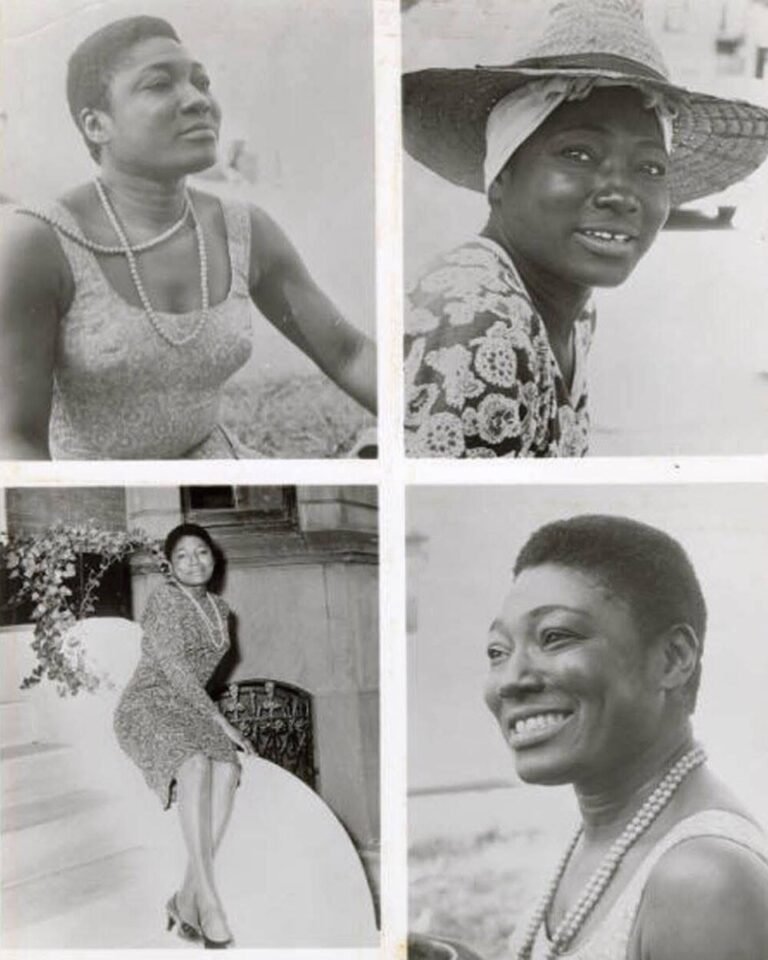
She was only sixteen years old when she was expelled from Little Rock Central High School in February 1958.
And the history surrounding that expulsion tells us something important about how women and girls are treated when they refuse to quietly absorb mistreatment.
1. They Expected a Girl to Manage What Adults Would Not Stop
Minnijean was one of the Little Rock Nine, the Black teenagers who integrated Central High School in Arkansas in 1957.
These were children entering an environment where their presence was considered a threat to the racial order.
They faced racist hostility, intimidation, and harassment while trying to receive an education.
Minnijean was repeatedly targeted.
In December 1957, she was suspended after a cafeteria incident involving a bowl of chili and white students who had been harassing her.
In February 1958, following another incident in which she responded verbally to provocation, school officials expelled her.
Her parents appealed, explaining the harassment their daughter had endured.
But the expulsion stood.
And I keep coming back to her age.
Sixteen.
A child was expected to exercise extraordinary patience in an environment where adults were failing to provide ordinary protection.
2. Why Is Her Reaction More Offensive Than What Happened to Her?
This is a question worth carrying into our own lives.
Why do people sometimes become more concerned about a woman’s response to mistreatment than the mistreatment itself?
We see versions of this in families where one person has been allowed to intimidate everyone for years. The woman who finally establishes a boundary becomes the difficult relative.
We see it in workplaces where employees quietly tolerate inappropriate behavior until somebody files a complaint. Suddenly, the conversation turns toward whether she is creating tension.
And Survivors may recognize it in relationships where someone repeatedly violates boundaries, then complains that the woman has become angry, distrustful, or unwilling to cooperate.
The circumstances are different from the racial violence Minnijean endured. But the question about accountability is worth examining.
Why are we so interested in whether she responded properly and so reluctant to examine what she was responding to?
3. Being a Good Woman Should Not Require You to Absorb Harm
Many women were raised to be considerate.
We learned to make room for other people’s feelings, consider their circumstances, and think carefully before speaking.
There is nothing wrong with kindness.
But kindness becomes something else when a woman is expected to provide it without receiving basic consideration in return.
And we should be especially careful about teaching girls that maturity means remaining pleasant while someone mistreats them.
Minnijean was expected to attend school, follow the rules, and control her reactions.
The adults responsible for maintaining those rules were also responsible for protecting her.
That responsibility did not disappear because she became upset.
A woman’s dignity is not measured by how much mistreatment she can endure without changing her expression.
4. You Are Allowed to Center the Issues That Affect Your Life
There is another lesson here that extends beyond Minnijean’s experience.
Women are sometimes questioned for speaking about issues that directly affect their lives.
Why are you so concerned about women’s safety?
Why are you talking about girls’ opportunities?
Why does this issue matter so much to you?
Why can’t you focus on something else?
Well, why should women need permission to concern ourselves with the conditions under which we live?
We have families to care for, work to do, communities to strengthen, and lives we hope to enjoy.
Our safety and freedom affect our ability to do those things.
A woman who advocates for her own well-being has not abandoned everybody else. She has recognized that she, too, belongs among the people worthy of consideration.
We cannot keep asking women to care for the world while treating their concern for themselves as a character flaw.
5. You Can Be Compassionate Without Being Available for Mistreatment
Survivors sometimes have to relearn this.
You can understand that another person has experienced hardship without accepting harmful behavior from them.
You can care about someone’s future without surrendering your own.
You can recognize another person’s humanity while refusing to let that person determine your boundaries.
And you can choose not to participate in a conversation that repeatedly leaves you feeling unheard or unsafe.
There may have been a time when explaining yourself felt necessary for survival. Perhaps you had to anticipate someone’s moods or carefully choose every word.
Those habits do not disappear overnight.
But your future does not have to be organized around keeping everybody else comfortable.
You deserve room to live.
6. Minnijean’s Story Did Not End With Her Expulsion
After leaving Central High School, Minnijean continued her education in New York.
She later became an educator and advocate, carrying the lessons of her experience into work that helped others.
Her story reminds us that an institution’s decision about a girl does not have to become the final decision about her life.
But we should resist turning that lesson into another demand for extraordinary strength.
She deserved better treatment at sixteen, regardless of everything she later accomplished.
And so did the girl you once were.
You did not have to become accomplished, agreeable, forgiving, or endlessly resilient to deserve protection.
You deserved it because you were a human being.
7. You Are Allowed to Speak About What Concerns You
I hope we keep telling the stories of women and girls whose objections were treated as greater problems than the injustices they were confronting.
Not because every response is beyond criticism. We can examine our actions, learn from mistakes, and choose safer ways to advocate for ourselves.
But we can also refuse the idea that silence is proof of goodness.
Sometimes speaking is necessary.
Sometimes leaving is necessary.
Sometimes the wisest thing a woman can do is stop asking people to understand a boundary they have already demonstrated they intend to disregard.
And sometimes she simply needs to return her attention to the life she has been trying to build.
There is no shame in that.
Minnijean Brown-Trickey was a girl who deserved to be protected while she was learning, growing, and finding her place in the world.
We owe girls that protection today.
And we owe the women those girls become the freedom to speak about their own lives without having their concern mistaken for selfishness.
You are among the people your compassion is allowed to protect.
Never forget that.
An Affirmation for Today
I do not have to wait until everybody agrees that my concerns are important. My safety, dignity, opportunities, and peace are worthy of my attention. I can care deeply about others while making room for myself. I am allowed to speak, to set boundaries, and to build a life where my well-being is not continually sacrificed.