Libraries are often called the gateways to knowledge. But have you ever wondered who decides how books get organized? For over a century, most libra

Libraries are often called the gateways to knowledge. But have you ever wondered who decides how books get organized? For over a century, most libraries have used the Dewey Decimal System (DDS). It works, but for a long time, it wasn’t fair—or inclusive.
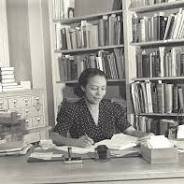
That’s where Dorothy Porter stepped in. A trailblazing Black librarian, she didn’t just shelve books—she reshaped how knowledge itself gets classified.
Who Was Dorothy Porter?
Dorothy Porter was born into a world stacked against her. Opportunities for Black women in the early 1900s were scarce, but she pushed through, excelling in library science.
In 1930, she became the librarian at Howard University, where she quickly spotted a huge problem: the Dewey Decimal System basically shoved all books about Black life and history into a few narrow categories like slavery or colonization.
That meant works by Black authors weren’t easy to find and were often dismissed as “less important.” Dorothy Porter refused to let that stand.
How She Changed the Game
Instead of sticking with Dewey’s biased setup, Porter designed a new way:
- Reclassified Black Literature
She grouped books by genre and author instead of shoving everything under “slavery.” That meant readers could finally see Black contributions in literature, history, science, and more. - Balanced Out Religion
Christianity had been given pages of space in Dewey’s system, while all other religions were lumped together. Porter pushed for a more balanced approach. - Updated Subject Headings
She got rid of offensive, outdated labels in catalogs and replaced them with respectful, accurate language. - Made Libraries More Welcoming
Beyond classification, Porter championed diverse collections so readers of all backgrounds could actually find themselves in the library.
Building a Legacy
Her work helped establish Howard’s Moorland-Spingarn Research Center, now one of the world’s most important collections of Black history and culture.
Porter didn’t just reorganize books—she reimagined how knowledge should be valued and accessed.
Why It Still Matters
Dorothy Porter showed that libraries aren’t just places to borrow books. They shape how we understand the world.
Without fair classification, whole cultures can get erased.
Thanks to her, today’s libraries are far more inclusive.
She sparked conversations about bias in systems—conversations that continue today.
Even though the Dewey Decimal System is still being updated (and some libraries are moving away from it altogether), her influence is undeniable.
✨ Dorothy Porter’s story reminds us: challenging the system can open doors for generations to come.
Legacy
Dorothy Porter’s name may not be widely known, but her work speaks volumes. As we continue striving for inclusivity in education, literature, and beyond, her legacy serves as a powerful reminder that who organizes knowledge matters just as much as the knowledge itself.
Next time you visit a library, take a moment to appreciate the system that helps you find the books you need—and remember the unsung heroes like Dorothy Parker who fought to make it better for everyone.