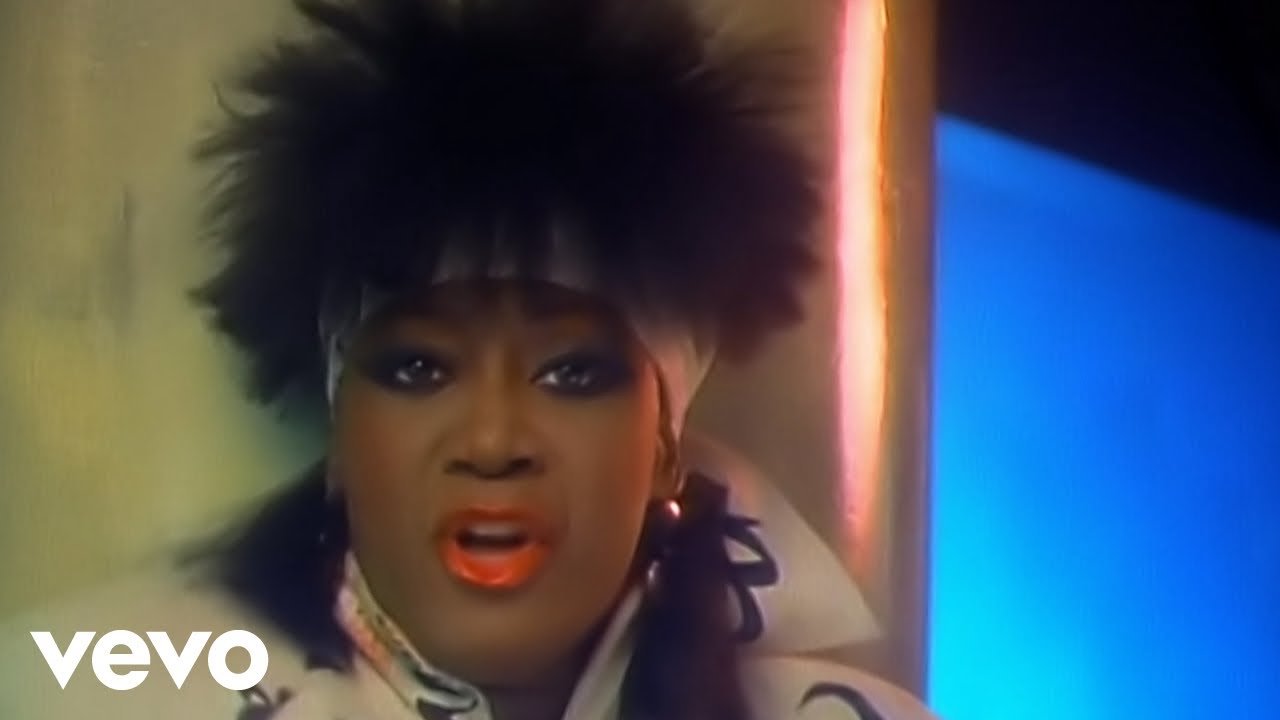
The adults around us didn’t even have “McDonald’s money” when cheeseburgers were four for a dollar. How do you figure everyone had “cocaine money?”
I get it. You see the far less expensive gas, housing prices, and food prices, and from 2026, that must look like heaven on earth. I get it. In the early 2000s I had a beautiful two-bedroom townhouse apartment for around $535.00 per month, and now it seems like I dreamt it.
But like every era, things are different for Black communities.
The manufacturing jobs that allowed families to move into the middle class, to take part in the American dream our ancestors built, were leaving. Moving overseas. So many jobs that were dependable mainstays to raise a family were being eliminated entirely.
There were deep budget cuts, and they all seemed to come straight for the pockets of minority communities that were operating on shoestring budgets as is.
Teachers and programs that helped students—trades, nursing programs, and arts—were being cut dramatically. Teachers we loved and connected with disappeared from our lives. The very ones who taught us how to listen to the layers of a song and search for meaning. The ones who taught us that art was inside of us. That we ARE art. The ones who beamed when they saw us publicly shed our shyness and really throw down…in front of crowds. The ones who ignored the last bell and just sat with us and listened. No pushing anything. Listening.
That was good because we needed someone to talk to.
About watching the Space Shuttle Challenger explode with a teacher onboard. About coming home from school to learn about our government bombing a neighborhood in Philadelphia with children our age inside. My relatives thought that this was a serious situation interrupting their “soaps” again. It became so much …..more horrific.
There was a weird, ubiquitous “war on drugs,” and television shows and awareness campaigns made it seem that every Black family was struggling with drugs. But not like now. See, that’s today’s language: “struggling with drugs.” Back then you were a “lazy, thieving, and addicted drug user.” No empathy for you.
That lack of compassion transferred over to HIV/AIDS. Our losses weren’t depicted, but they were felt. They still are to this day. The present writer is included. We lost family and friends, and their loss wasn’t always grieved by larger society. I can’t even type what was said about them. We were learning too. How do we care for people without harming them? How do we do that without spreading it to others? Until the government caught up, we all had to share information with one another.
Slurs were flying at Black people, and too few cared to educate themselves out of their ignorance. Every accomplishment was attacked. Credit scores became a thing, which seemed to give the banks more power and a stronger shield to hide denying loans to Black Americans.
Vanessa Williams—a survivor—won the Miss America crown in 1983. She showed everyone that sometimes soldiers have gorgeous faces too because she had to go to war with the world to demonstrate that she had already been wearing a crown for a long time.
Pre-social media, when we looked around the world, we saw one another’s struggles in a different light My aunt took me to the stage tour of Sarafina. When I leaned over to say, “I don’t understand them. Are they speaking English?” She shushed me and told me to listen. I did. I heard them. Clearer and clearer. Children from South Africa surviving apartheid.
Back to my teachers, because the aunt who took me that stage tour is a teacher now too. World civilization, world civics, and cultural studies around the languages that you were required to study were as critical as American history. There was suffering everywhere, but without influencers telling Black people to abandon the ongoing pursuit of our own safety from harm and without insulting bots, there was hope. We just thought that people were rooting for one another.
The 1980s were a lot of fun. Yes. But it was also watching your immediate and extended family navigate change that quickly turned to locked-in hardship as the country coldly decided that you deserved it. It was where you belonged.
Reminder: Just because you see people from back in the day smile and jump six inches off the ground doesn’t mean they were fueled by cocaine.
Musically Speaking, The 1980s Were Competitive Joy

A room full of Black people dancing hard.
A Black singer sweating through a performance.
A Soul Train line with everybody dressed like joy had somewhere important to be.
A big Black man moving light on his feet.
A Black woman belting like the roof was too low for her voice.
And somebody, usually too young to remember the decade or too careless to respect the culture, throws out one lazy explanation: “cocaine.”
That tells on you.
The 1980s were not only excess. They were competitive joy.
People were intentionally trying to out-dance each other. Out-dress each other. Out-sing each other. Out-strut each other. Out-live the heaviness that came before. The whole decade had a pulse. Aerobics. Roller rinks. Church concerts. Step shows. Talent shows. School dances. Music videos. Soul Train. Club floors. Family reunions. Block parties. Everybody was moving like stillness had lost the argument.
Black people knew how to bring that energy because we had been practicing joy under pressure for generations.
The Pointer Sisters gave us brightness with precision. Patti LaBelle gave us a new attitude with full-body testimony. Jermaine Stewart reminded everybody that fun did not have to mean losing your boundaries. “We don’t have to take our clothes off” was not prudish. It was playful. It was flirtatious. It was danceable. It said desire did not have to be reckless to be alive.
The Fat Boys crossed over with The Beach Boys and made hip-hop feel like a summer cookout with a beatbox. Heavy D showed up smooth, stylish, big, joyful, and light on his feet. Weight was not stopping anybody. Shame was not invited to the party.
And Black gay culture? Please. Ballroom, house music, voguing, club fashion, chosen family, face, body, attitude, runway, survival. Some of the most electric movement of the decade came from people making family and beauty where the world had tried to deny them both.
So no, every high-energy Black performance was not a drug reference.
Sometimes it was discipline.
Sometimes it was church lungs.
Sometimes it was band practice.
Sometimes it was survival breaking into rhythm.
Sometimes it was a people saying, “After everything we have carried, we still know how to move.”
That is why the lazy “cocaine” joke lands wrong. It is not just historically thin. Sometimes it has that old familiar smell on it: whatever anti-Black explanation will stick to Black joy, Black stamina, Black bodies, Black music, Black nightlife, Black performance, Black confidence.
Because some folks cannot look at Black people moving with power and simply say, “They were talented.”
They cannot say, “They practiced.” (Because we did.)
They cannot say, “They were joyful.” (Because in spite of all the arrows aimed at us, we were.)
They cannot say, “They knew how to command a room.”
They reach for suspicion because respect would require too much honesty.
But those of us who know, know.
The 1980s were a decade of motion. And in Black culture, motion was not just entertainment. It was memory. It was release. It was flirtation. It was humor. It was style. It was testimony. It was proof that the body could still choose celebration after the world had tried to make it tired.
So when you see those old clips, look closer.
That was not just high energy.
That was competitive joy.
And Black people were champions at it.
- I honor Black joy as wisdom, medicine, memory, and resistance.
- Even in hard times, I am allowed to laugh, dance, rest, and feel delight.
- My joy does not deny struggle. It helps me endure it.
- I come from people who made songs in sorrow and beauty out of bare hands.
- I protect my joy because it keeps my spirit from being owned by pain.
- I can grieve and still notice sunlight, music, sweetness, and love.
- Black joy lives in me as inheritance, strategy, prayer, and power.