Some people will call you difficult when you stop making things easy for them. They'll say "you've changed." They'll say you have an "attitude." Th
Some people will call you difficult when you stop making things easy for them.
They’ll say “you’ve changed.” They’ll say you have an “attitude.” They’ll tell you that you ought to be grateful for the opportunity you’ve been given. And sometimes, all you’ve done is ask to be treated with a little more respect.
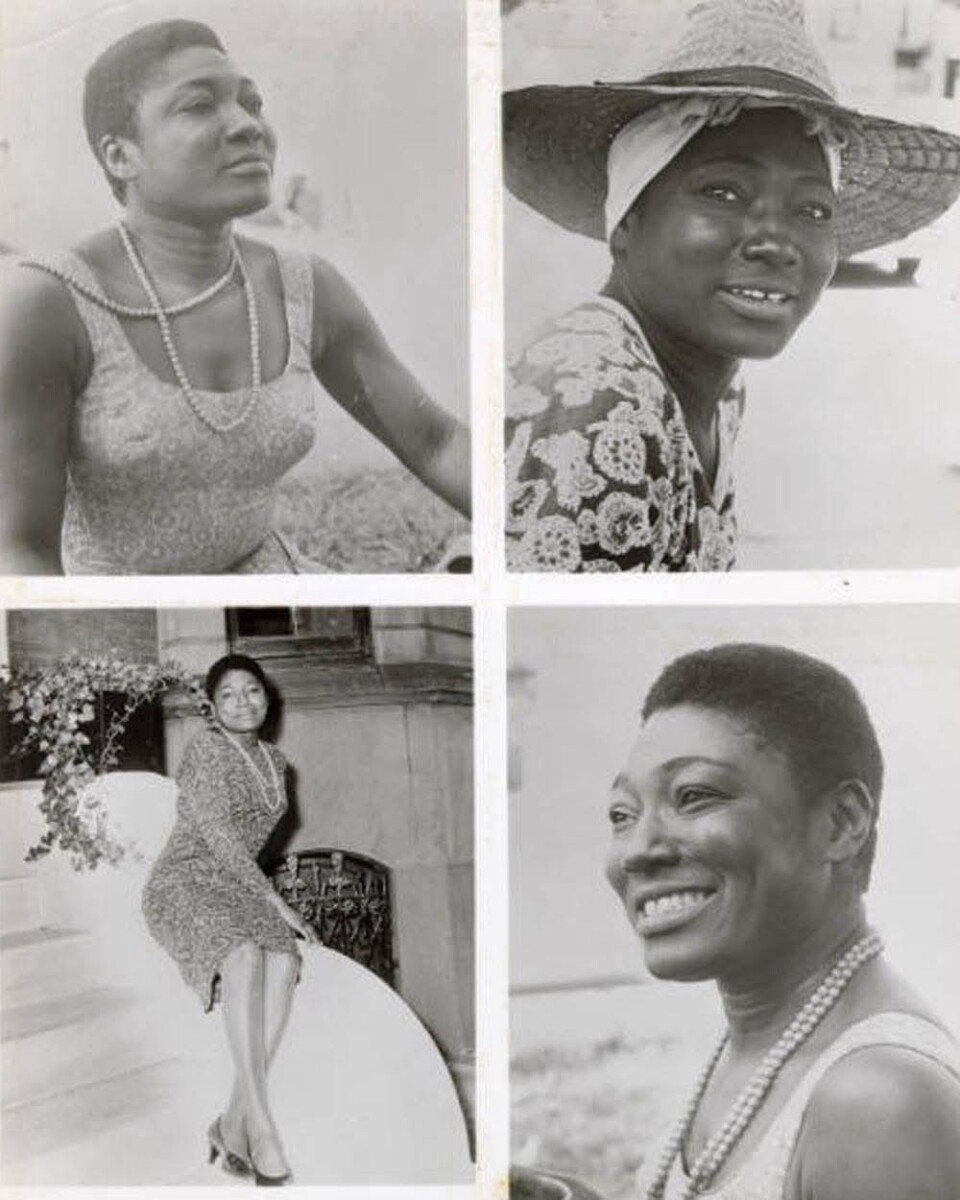
Actress Esther Rolle knew something about that.
Most of us remember her as Florida Evans on Good Times. She was the mother who could make you laugh, straighten you out with one look, and remind you that a family could be short on money without being short on love.
But Esther Rolle was also a woman with strong opinions about the stories Hollywood told about Black people. And she wasn’t particularly interested in keeping those opinions to herself.
In a 1990 interview with People magazine, Rolle said:
“I ruffle a lot of feathers. And I’m also selective—that makes you a troublemaker. But so be it.”
But so be it.
Now, there’s a woman who had made peace with the possibility that everybody wasn’t going to like her.
She Wanted More for the People Watching
When Good Times premiered in 1974, it offered something important. A Black working-class family was at the center of a nationally televised sitcom.
There was laughter, of course. There was also unemployment, financial hardship, parenting, marriage, disappointment, and the daily business of trying to hold a family together.
Esther Rolle wanted that family to have dignity.
As J.J. Evans became increasingly popular for his exaggerated comedy, Rolle grew concerned about the direction of the show. She worried that the humor was overwhelming the fuller portrayal of Black family life.
And she said so.
John Amos, who played James Evans, shared concerns about the show’s direction. He left the series in 1976. Rolle departed the following year, eventually returning for the final season.
Think about what that meant.
Here was a Black actress with a prominent role on a successful television program during an era when opportunities for Black performers, especially older Black women, were limited.
She had something valuable to lose. Yet she believed the people watching deserved something valuable, too.
Esther Rolle wasn’t fighting to make Black television less funny. She was fighting for Black people to be allowed to be more than funny.
She wanted audiences to laugh with a Black family without losing sight of its humanity. And she wanted Black children watching television to recognize something of themselves beyond the stereotypes.
Sometimes Good Trouble Is Necessary
Years later, Congressman and civil rights leader John Lewis would become widely known for encouraging people to get into “good trouble, necessary trouble.”
Lewis knew that challenging injustice could make people uncomfortable. He had lived through the consequences of standing against segregation and racial discrimination.
He also understood that progress doesn’t always arrive politely, with everybody smiling and agreeing.
Sometimes somebody has to say, “This isn’t right.”
Sometimes somebody has to ask why things have always been done a certain way.
And sometimes somebody has to refuse to go along, even when going along would make life easier.
Esther Rolle’s fight took place in the entertainment industry, not on the front lines of the civil rights marches. Those experiences were different. But both remind us that speaking up can carry a personal cost, and that the cost does not automatically make speaking up a mistake.
Good trouble is not about being contrary for the sake of it. It’s about caring enough to challenge something that needs to change.
Being Selective Is Not a Character Flaw
There’s another part of Rolle’s statement that I love.
She said she was selective.
A woman who understood that receiving an invitation didn’t mean she had to accept every condition attached to it. We don’t always teach women to think that way.
Sometimes we teach girls to be grateful before we teach them to be discerning. We praise them for being agreeable, helpful, patient, and easy to work with.
Those can be lovely qualities. But they are not the only qualities a girl needs. She also needs judgment.
She needs to know when something isn’t right for her. She needs to recognize when somebody is asking too much. And she needs to understand that saying no does not automatically make her unkind.
That lesson doesn’t become less important when she grows up.
A woman can appreciate an opportunity and still question how she is treated. She can love her community and still challenge its decisions. She can enjoy her work and still refuse to participate in something that violates her values.
And she can be selective without preparing a long apology.
Not Every Troublemaker Is Making Trouble
Of course, being called a troublemaker doesn’t automatically mean somebody is right. People can be unreasonable, careless, and hurtful, too.
What matters is what a person is standing for and how they go about it.
Esther Rolle had reasons for her objections. She wanted fuller, more respectful portrayals of Black people. She wanted the work to live up to the possibilities she saw in it.
That is worth remembering whenever someone tries to turn a disagreement into a judgment about a woman’s personality.
Maybe she isn’t difficult.
Maybe she has noticed something other people would rather ignore.
Maybe she is asking a question that should have been asked a long time ago.
And maybe the people calling her a troublemaker would be more comfortable if she simply stopped asking.
That doesn’t mean she should.
For the Woman Who Has Been Called Difficult
If you’ve ever been called difficult for having standards, I hope you remember Esther Rolle.
Remember that she was talented, accomplished, and still willing to challenge the people who controlled opportunities in her profession.
Remember that she didn’t have to dislike everybody involved to disagree with what they were doing.
And remember that she did not treat being called a troublemaker as the final word on her character.
There may be times when you decide a disagreement isn’t worth your energy. You are allowed to make that choice, too. Not every battle belongs to you, and protecting your peace is not the same as surrendering your principles.
But when something genuinely deserves your voice, don’t assume you’ve done wrong simply because somebody dislikes hearing it.
John Lewis gave us a language for necessary resistance.
Esther Rolle gave us a memorable example of a woman who could live with the label.
“But so be it.”
Four little words. No begging to be understood. No frantic attempt to convince everybody she was nice.
Just a woman who knew what she stood for.
And sometimes, dear reader, that is enough.
Affirmation to Carry With You
I can be kind without being agreeable. I can be grateful without surrendering my standards. I can speak with respect and still say something others would rather not hear. If standing for what is right earns me the name troublemaker, I will remember that good trouble has helped change this world.
For every woman who has ever been told she was too difficult when she was simply asking for something better: your standards deserve consideration, too.