The world learned how her son died. His mother is helping us know how he lived.
There is something about the way Regina King talks about her son that stays with me.
She doesn’t pretend the pain isn’t there. She doesn’t rush past the difficult parts to give everybody a reassuring ending. But neither does she allow the most heartbreaking event in her son’s life to become the only thing we know about him.
She talks about Ian. His personality. His joy. The love they shared. The years they had together.
And she talks about missing him.
All of it belongs in the conversation.
I think about how often people who have experienced devastating loss feel pressure to put their pain somewhere out of sight. We learn to recognize the moments when other people become uncomfortable. We notice when conversations grow quiet, when somebody changes the subject, when mentioning a loved one’s name seems to make everyone uneasy.
Sometimes, without anyone explicitly asking us to, we begin hiding pieces of our own lives.
But Regina King offers us another way to think about remembrance.
We can acknowledge how someone died without allowing their death to overshadow how they lived.
The World Learned About Ian Through a Tragedy
Ian Alexander Jr. was 26 years old when he died by suicide in January 2022.
He was Regina King’s only child. He was also a musician and DJ, a young man with creative interests, friendships, relationships, and a life that extended well beyond his mother’s celebrity.
Many of us first learned his name because of his death.
That’s a difficult reality. When someone dies tragically, the circumstances can become the public’s introduction to that person. The news reports explain what happened, and suddenly a whole human life risks being reduced to one terrible event.
But Ian had lived 26 years before the world received that news.
He had a mother who adored him. He had music. He had people who knew his humor, his kindness, and the things that made him himself.
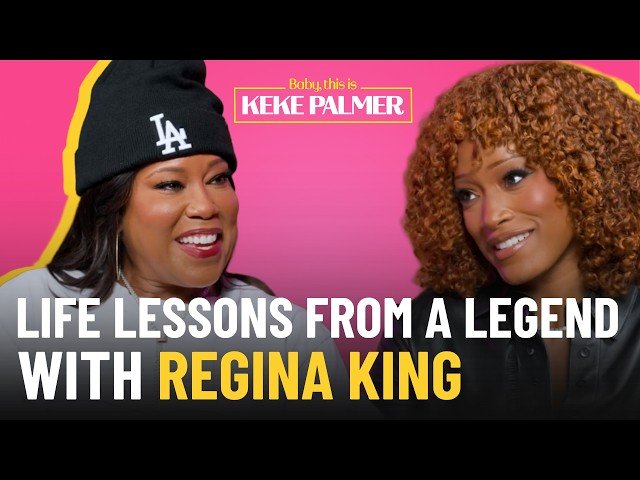
In her March 2024 interview with Robin Roberts on Good Morning America, Regina spoke about wanting to honor Ian in the fullness of who he was. She described the happiness he brought to the people who loved him and the continuing place he holds in her life.
And that’s what moves me.
She isn’t asking us to forget his death.
She’s making sure we don’t forget his life.
She Doesn’t Have to Hide the Hard Parts
One of the most striking things about Regina’s interview was her willingness to speak about the complicated emotions that followed Ian’s death.
She talked about anger with God. She talked about the questions that grieving parents ask themselves, even when they know how hard they tried to help their children.
She spoke about Ian’s struggles with depression and the efforts they had made to get him support.
She didn’t offer the public a neatly packaged story about overcoming grief.
She told the truth about living with it.
I appreciate that so much.
There is enormous pressure, particularly on women, to manage how our pain affects other people.
We are expected to be strong, but not so visibly wounded that others become uncomfortable. We can acknowledge suffering, provided we don’t discuss it too often. We can grieve, but eventually somebody begins looking for evidence that we’re moving on.
And if the loss involves suicide, there may be another layer of silence.
People worry about saying the wrong thing. Families may encounter stigma, speculation, judgment, or questions that are nobody else’s business.
The person who died can become surrounded by uncomfortable whispers rather than loving memories.
Regina’s willingness to speak openly challenges that pattern.
Not because every grieving mother should do what she does. Nobody owes the public an explanation of their loss.
But because a woman who chooses to speak about her pain should not have to apologize for making other people aware that it exists.
There Is Beauty in the Bruises
In her 2024 Harper’s Bazaar interview, Regina said something that deserves to be held onto:
“Gratitude and sadness are not mutually exclusive.”
Those words carry so much.
Because grief can make people feel as though they must choose between being thankful for the time they had and being devastated by the time they lost.
But why should they have to choose?
A mother can treasure every birthday, every conversation, every laugh, and every ordinary afternoon she shared with her child.
She can also be heartbroken that there will be no more of those moments.
She can be grateful and angry. She can laugh at a memory and cry five minutes later. She can feel surrounded by love and still ache for the one person whose physical presence she misses.
There is no contradiction that needs to be resolved.
And there is no requirement to find beauty in the death itself.
The beauty was in the love. The relationship. The memories. The life they shared.
The bruises are real, too.
Sometimes living with grief means allowing both truths to remain, without asking either one to disappear.
She Is Still Ian’s Mother
One of the most touching parts of Regina’s public reflections is how naturally she continues to speak about being Ian’s mother.
Motherhood did not end when her son’s life ended.
Their relationship changed in a way no parent would ever wish for, but the love, the memories, and the significance of that relationship remain.
In Harper’s Bazaar, Regina discussed learning how to live with that changed relationship. She spoke of how loudly she feels Ian’s physical absence, even while trying to remain connected to him through memory and spirit.
The world may count the years since a child died. A mother may also count the years she had the privilege of loving that child while he was here.
Both measurements belong to her life.
We don’t know Ian the way his family and friends knew him. We never will.
But because his mother speaks about him as a whole person, we can understand that he was more than the circumstances that brought his name into the headlines.
He was here. He was loved. He brought joy. He mattered long before the world knew he was gone.
The Pressure to Hide Pain Is Familiar to Survivors
This is where Regina’s story speaks to something many Survivors understand, even when their experiences are very different from hers.
After something devastating happens, people sometimes begin organizing their expectations around how quickly we should return to being comfortable company.
They may prefer that we stop mentioning the incident, the person who harmed us, or the loved one we lost.
Sometimes they call it “moving forward.” Sometimes they say they don’t want us “dwelling on the past.”
And sometimes what they really mean is that they don’t want to keep hearing about something painful.
A Survivor may want to discuss what happened because she is still making sense of it. Another may prefer privacy because she has already had too many people examining her life.
Both deserve respect.
The freedom we’re talking about isn’t an obligation to tell everything.
It’s the right to decide what belongs in your own story, and who gets to hear it.
You don’t have to hide your pain to prove you’re healing. You don’t have to reveal it to prove you’re brave.
You can choose what you share. You can change your mind. You can talk about the happy memories without explaining the painful ones every time.
And you can insist that your life contains more than the event that hurt you.
Other Mothers Helped Her Carry What They Could Not Fix
Another part of Regina’s story deserves attention.
She has spoken about the support she received from other mothers who had lost children.
These women couldn’t restore what she had lost. They couldn’t promise that the grief would disappear.
But they understood something about living with that absence.
In her Harper’s Bazaar interview, Regina described how important those relationships had become, particularly because isolation can be so tempting when grief feels impossible for others to understand.
There is wisdom in that kind of companionship.
Not every painful experience needs an answer. Sometimes what a person needs is someone who can remain present without demanding a performance of recovery.
Someone who doesn’t need the story to end happily before they can sit with it.
Someone who understands that a difficult anniversary may still be difficult years later.
And someone who can hear a grieving mother speak her child’s name without treating it as an invitation to change the subject.
We often talk about support as though it means finding the perfect words.
Sometimes it means making room for another person’s memories.
A Woman Is Allowed to Carry Her Whole Life
Regina King has given audiences decades of extraordinary work. From 227 and Boyz n the Hood to If Beale Street Could Talk, Watchmen, and her work as a director, she has built a remarkable career.
She is an artist, a daughter, a sister, a friend, and a mother.
She is also a woman who has experienced a devastating loss.
None of those truths cancels another.
And I don’t want us to make the mistake of turning her openness into a demand that she always be strong, always be inspiring, or always have something wise to say about grief.
She deserves ordinary days. Private days. Days when she doesn’t want to discuss any of it.
She deserves laughter that doesn’t require an explanation.
And she deserves the freedom to speak about Ian whenever she chooses.
That, to me, is what makes her reflections so meaningful.
She has allowed us to witness something deeply personal without suggesting that grief has a simple resolution.
Every part of her life belongs to her. The beautiful memories, the painful loss, the accomplishments, the love, and whatever she chooses to do next.
Let Us Remember How They Lived
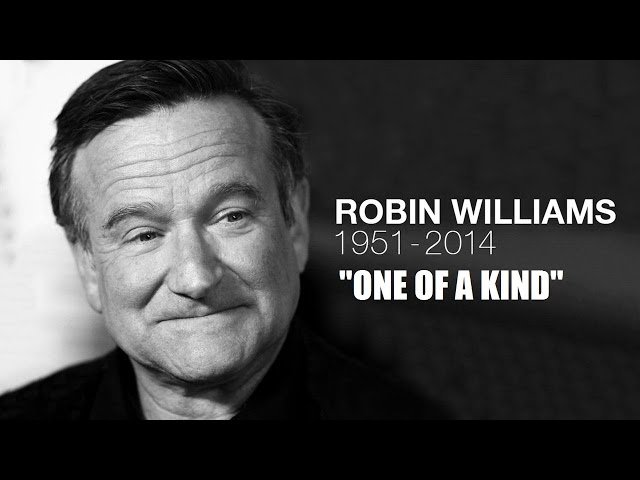
I think about Robin Williams when I think about Ian Alexander Jr.
With Robin, so many of us had years of memories before his death. We knew his films, his humor, his astonishing talent. We can return to his work and remember how much he gave us.
Most of us didn’t have those years of familiarity with Ian.
But his mother did.
And through her willingness to speak about him, she has helped people understand that there was a whole life before the heartbreaking news.
That is a precious gift.
It reminds us that when someone dies, particularly under painful circumstances, we can acknowledge the truth without making the ending the entire story.
We can ask what they loved. What made them laugh. What they created. Who they were to the people closest to them.
We can remember the living person.
And when someone who loved them wants to talk, we can listen.
We don’t have to rush toward a lesson, a reassuring conclusion, or a way to make the sadness disappear.
Sometimes we can simply honor the love that remains.
Regina King has shown us something about grief that I hope we carry gently.
She does not have to stop missing Ian to be grateful for having been his mother.
She does not have to hide the pain to celebrate the joy.
And she does not have to make his death the center of every conversation about his life.
The world learned how Ian died. His mother is helping us know how he lived.
What a loving way to remember someone.
And what a beautiful reminder that a human life is always more than its most painful chapter.
A SURVIVORAFFIRMATIONS REFLECTION
I do not have to edit my life into a story that makes other people comfortable. There has been joy here. There has been pain here. There has been love so enormous that its absence changed the shape of my days. All of it belongs to me.
I can treasure what was beautiful without denying what was heartbreaking. I can speak when I want to speak, remain private when I need privacy, and remember the people I love in ways that honor our relationship.
My story is mine. And I am allowed to carry all of it.