Some of us grew up hearing about sacrifice in ways that hurt. “I did everything for you.” “After all I gave up.” “You owe me.” Tho
Some of us grew up hearing about sacrifice in ways that hurt.
Photo by Khena22
“I did everything for you.”
“After all I gave up.”
“You owe me.”
Those words can land heavy in the body when love has been tied to guilt. Survivors know the difference between care and control. We know that some people name what they have done for us only to make us smaller. They use sacrifice like a chain, then call it family.
But Juneteenth and true loving family invite us to hold a deeper truth.
Every mention of sacrifice is not manipulation.
Some sacrifices were made with love in work clothes on.
Some sacrifices were protection.
Some sacrifices were prayers whispered by exhausted women who still got up the next morning.
Some sacrifices were made by people who would never get applause, never get rest, never see the fullness of what they helped make possible.
In many African and African diasporic traditions, family is not understood as isolated individuals floating around with private dreams only. There is often a stronger ethic of kinship, elder respect, communal responsibility, and carrying the family name forward. The language may not always be “filial piety,” but the heartbeat is familiar: remember who labored before you, do not waste the road they cleared, and know that your life belongs to more than appetite.
In many Caribbean and Black American families, especially working-class and church-rooted families, sacrifice talk has long been part testimony, part warning, part blessing. “I worked too hard for you to act like this.” “Your grandmother cleaned houses so you could sit in that classroom.” “We did without so you could have.” That can be mishandled, yes. But at its best, it is not a bill. It is a torch.
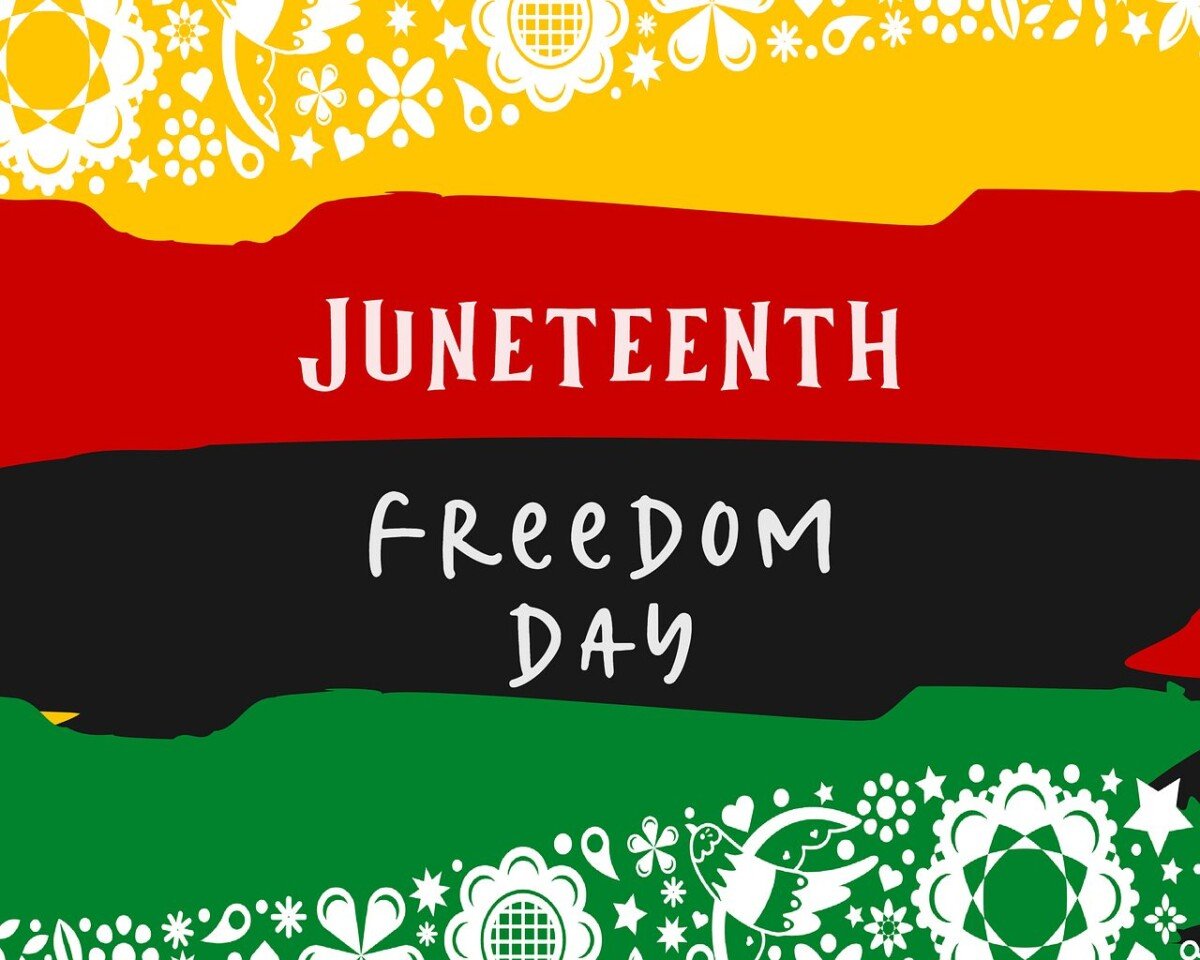
Juneteenth is a freedom day, but it is not a shallow freedom day. It asks us to remember people who lived under systems designed to steal their bodies, their children, their labor, their safety, and their names. They were denied so much, yet they kept reaching toward a future they might not live to see.
That future includes us.
For Survivors, this can be tender ground. Many of us are trying to break free from false debts. We have had to learn that we are not owned by someone else’s suffering. We are not required to stay in harmful relationships because someone once helped us. We are not obligated to surrender our boundaries because another person says they sacrificed.
And still, we can honor true loving sacrifice without returning to bondage.
That is wisdom.
The sacrifice of our elders, our ancestors, our mothers, our grandmothers, our aunties, our fathers who labored with love, and all the quiet people who kept families alive was not meant to become a cage. It was meant to become a bridge.
A bridge does not demand that you crawl backward.
A bridge helps you cross.
A bridge says, “There is another side.”
A bridge says, “You do not have to start where I started.”
A bridge says, “Use what I carried to help you stand.”
When a loving elder says, “Do not waste what we sacrificed for,” the healthiest meaning is not, “Live for me.” It is, “Live awake.”
Live like your life is worth protecting.
Live like your safety is not negotiable.
Live like your dreams are not foolish.
Live like your voice belongs to you.
Live like rest is allowed.
Live like freedom is more than escape. Freedom is also healing, truth, discernment, and the right to build a life that does not keep repeating harm.
This Juneteenth, we do not confuse guilt with gratitude.
We release every false debt.
We reject every chain dressed up as love.
We honor the real bridges.
We remember the ones who carried what should never have been placed on their backs.
We bless the hands that helped us cross.
And then we keep walking.
Not because we owe our lives to pain.
But because our lives are sacred.
Affirmation:
I can honor sacrifice without living in bondage. I can remember what others carried without letting guilt control me. I am allowed to cross the bridge. I am allowed to heal. I am allowed to live free.